


Gugu Gaga Penguin Escape
4.47.00 Reviews
App Specs
- Version
- 1.3.3
- Updated On
- License
- Free
- Downloads
- 1,000,000+
- Developer
- PSV SANDBOXES TEKNOLOJI ANONIM SIRKETI
- Categories
- Adventure
- Platform
- Android
Screenshots

 Analysis by AppCompare
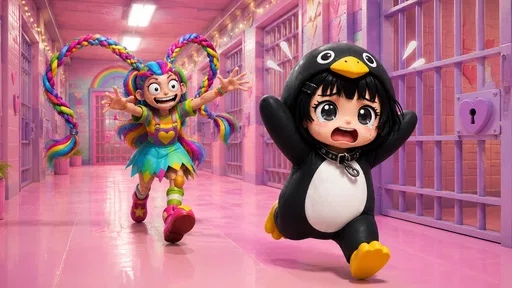
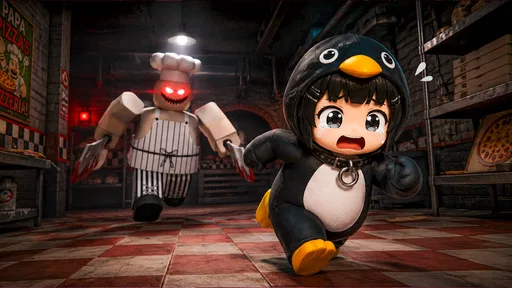
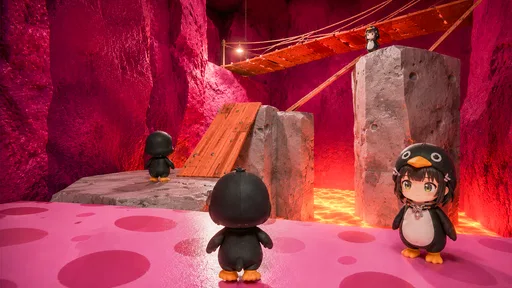
I like the idea behind Gugu Gaga Penguin Escape: take the familiar appeal of an obstacle-course game and give it a prison-break setting, a scary monster map, and a penguin to guide through the danger. The hook is easy to understand, so I can picture picking it up for a short play session without needing to learn a complicated premise. What matters more is whether the escape feels rewarding as I make progress. The game’s setup suggests a simple, direct adventure, but its enjoyment depends on how much patience you have for repeating tricky jumps and finding a safe route.
What a short session can realistically offer
I would fit this game into a spare moment when I can give it my attention, rather than use it as background entertainment. For example, on a quiet break between errands, I might aim to get past one obstacle that stopped me earlier, then put the phone away. That is a better match for a precision-focused escape course than opening it while distracted and expecting progress to happen automatically. The small-goal approach also gives a session a natural stopping point, even if the whole route remains unfinished.
That distinction matters if you are deciding whether it suits your routine. A player who enjoys returning to a specific challenge may find a few focused attempts satisfying; someone looking for a game that can be played almost absent-mindedly may find the same jumps demanding. I would also avoid starting just before I need to leave, since the urge to retry a difficult section can turn a planned quick break into a longer one.
From the first escape attempt to a satisfying run
I’d use this section to set expectations for the first run: the escape goal is easy to grasp, but the more useful early objective is learning how the course asks you to move. I’d pay attention to which obstacle needs careful timing before deciding whether to push ahead or pause and try again. That small shift makes it easier to judge whether the challenge is teaching me something, rather than simply asking for another attempt.
A clear goal helps you get moving
The central appeal is straightforward: make your way out of a prison-like environment while navigating parkour obstacles and avoiding a frightening monster setting. That gives each attempt an immediate purpose. Rather than asking me to spend time interpreting a large world or managing a long list of objectives, the premise points me toward movement, timing, and survival. For players who enjoy obby-style challenges, that clarity is a plus; the fun is in getting across the course, not in deciphering what the game wants.
The penguin theme gives the escape premise a playful edge, while the scary map adds a contrasting note of tension. That combination is more distinctive than a plain obstacle course, but it also means the mood is not purely cute or purely horror-focused. I would approach it as a light adventure with spooky dressing rather than expect a deep horror story. If you want a serious, narrative-led prison escape, this is probably not the right fit. If you want a recognizable route-based challenge with a monster-themed backdrop, the concept is easier to appreciate.
One practical way to enjoy it is to treat a first attempt as a familiarization run rather than a test of skill. Pay attention to where the course asks for careful movement and where you can move more confidently. In obstacle games, a small adjustment in timing often matters more than rushing forward. That mindset makes failure feel like useful information instead of proof that the level is unfair, and it helps you decide whether you want to retry immediately or take a break.
Worth Reading Before You Choose

Baby Panda World Brings Quick Play to Modern Phones, but Its Game Library Feels Busy

ESPN’s Live Game View Makes Following Close Games Easier

QuizzLand Review: A Good Fit for Short Trivia Breaks, Not Every Player

Basketball Stars: Multiplayer Is Fast, but Can It Recover When Matches Go Wrong?

WEBTOON Turns Phone Updates Into a Better Reading Routine

Link to Windows Runs on Shared Habits, Not Social Feeds
Progress is most satisfying when you notice what changed
In a parkour escape, progress is often felt moment to moment: reaching a section that previously stopped you, executing a jump more cleanly, or getting farther through the route before being caught out. Those are the kinds of signals I would look for here rather than expecting a complicated progression system. The appeal is strongest for someone who enjoys improving through practice. A successful run feels earned when you can identify the movement or decision that made the difference.
There is a trade-off, though. If you prefer games that constantly reward you with story revelations, new gear, or a broad set of unlocks, an obstacle-course structure may feel sparse. The satisfaction is more about mastering the challenge in front of you than collecting a long chain of rewards. That can be refreshing when I only want a focused task, but it may not hold my attention for long if I need frequent new goals to stay invested.
A useful habit is to change one thing per retry. If a jump goes wrong, focus on timing; if the monster pressure makes you rush, slow down and watch the route. Trying to alter several things at once makes it harder to understand why the next attempt worked. This is a small but valuable approach for any escape course, and it suits a game whose core promise is getting through danger by navigating obstacles rather than solving a sprawling set of side activities.
Challenge should reward care, not just persistence
The scary-monster setting can make an obstacle course feel more urgent than a neutral platforming map. That atmosphere is useful when it supports the movement challenge: it gives a reason to keep moving and makes safe progress feel meaningful. But tension can also make a difficult section frustrating if the player feels pushed to rush. I would recommend taking the course at your own pace where possible, especially on an early attempt, and resisting the instinct to sprint through an unfamiliar sequence.
As with other obby games, the main question for a player is whether the difficulty feels learnable. A tough jump is satisfying when you can see what to adjust next time. Repeated setbacks become less appealing when they seem to come from unclear movement or when a long stretch must be replayed before reaching the same obstacle. I would judge the game by that distinction during play: does each attempt teach you something, or are you simply repeating the same mistake without a clearer path forward?
It is also worth matching the game to your mood. I would choose it when I have enough attention for timing and retries, not when I want something entirely relaxing in the background. Obby movement rewards focus, and a monster-themed escape can make a casual stumble feel more dramatic. For a quick break, set a modest goal such as getting past one troublesome section rather than insisting on finishing the whole escape in one sitting. That keeps the challenge manageable and makes a short session feel complete.
What keeps the escape worth returning to?
For me, replay value in a compact parkour adventure comes from a clear reason to try again: a route I have not mastered, a section I nearly crossed, or the satisfaction of making a cleaner run. This is a different kind of retention from a game built around daily chores or a large collection of upgrades. It works best for players who enjoy personal improvement and can make their own small milestones. If you need the game to continually introduce fresh systems, the basic escape premise may not be enough by itself.
It is sensible to keep spending expectations in mind. The game is free to start, with optional in-app purchases listed from $2.99 to $9.99 per item. I would try the core experience before buying anything and decide whether the obstacle challenge itself is enjoyable. Purchases are not a substitute for liking the movement or the pacing, and anyone who prefers a strictly no-spend experience should be comfortable ignoring optional offers. The price range is useful context, but it does not tell me what a particular item does, so I would check its description in the game before making a decision.
The game is made by PSV SANDBOXES TEKNOLOJI ANONIM SIRKETI. It is an adventure game rated Everyone, which makes its stated audience broad, while the monster theme may still be a matter of personal taste for younger players. I would consider the atmosphere as well as the age label when deciding whether it suits a child. The frightening setting is part of the premise, so someone who dislikes spooky imagery may prefer a brighter, less tense obby even if they enjoy jumping challenges.
How it compares with other obstacle-course games
Compared with a typical bright, open-ended obby, this game has a more focused escape identity: the prison and monster setting give the course a reason to feel urgent. Compared with a story-heavy adventure, it appears to place the emphasis on navigating the environment rather than following a complex narrative. That middle ground is the strongest reason to try it. It offers a themed challenge without requiring a player to commit to a large world, but it may feel limited beside games where exploration, character growth, or varied activities are the main attraction.
I would choose it over a generic obstacle course when I want a stronger atmosphere and a clear escape objective. I would choose a more relaxed platformer if I wanted forgiving jumps and a calm pace, or a deeper adventure if I wanted a substantial story and varied progression. This distinction matters because the same scary backdrop that gives the game its identity may not improve the experience for someone who simply wants uncomplicated, cheerful platforming.
There is also a useful difference between a game that is easy to start and one that is easy to master. The premise is simple enough to understand quickly, but that does not mean every obstacle will be effortless. If you are introducing it to a friend, it helps to explain that the enjoyment comes from learning the course and trying again, rather than expecting a long tutorial or a guided story. That sets fair expectations and makes the first difficult section less likely to feel like an unwelcome surprise.
Who I would recommend it to
I can see this working well for players who like short, goal-driven sessions, enjoy obby parkour, and do not mind retrying after a missed jump. It is also a reasonable choice for someone who wants an adventure premise that is immediately legible: escape the dangerous setting, keep moving, and improve with practice. Its free entry point makes it easy to sample before deciding whether the particular mix of penguin theme, prison setting, and monster atmosphere clicks for you.
I would steer away from it if you strongly dislike repeated attempts, want a substantial story, or expect progression to be built around many distinct systems and rewards. It may also be a poor match when you need a very gentle game to play without concentration. Those are not defects in themselves; they are signs that the game’s focus is narrower than what some players want. Knowing that upfront is more useful than approaching it as if it were a broad adventure with many different kinds of play.
A focused adventure with a clear progression test
The best reason to keep playing is the feeling of turning a failed escape into a better attempt. When the course gives you a clear obstacle to understand and overcome, the prison-break theme and monster setting provide enough context to make each stretch feel purposeful. When you would rather have frequent unlocks, a deep narrative, or low-pressure movement, the same focused design can feel repetitive. I would treat it as a compact challenge to sample in short sessions and keep only if its retry loop feels satisfying rather than tiring.
The game has an average rating of 4.4 from around 2.6 thousand ratings, and it has passed a million installs. Its current version is 1.3.3, it is free to download, and it requires Android 8.1 or later. It was released on May 29, 2026. Those details make it easy to identify the edition and basic compatibility, but the decision that matters most is still personal: whether you like learning an obstacle route under a spooky escape theme. I would give it a try if that sounds fun, while keeping expectations centered on focused parkour rather than a sprawling adventure.
Overall, Gugu Gaga Penguin Escape is most appealing as a themed obby for players who enjoy clear objectives and incremental skill-building. I like that the premise gives a simple course a stronger identity, and I would recommend approaching it with patience and small goals. Its limits are just as clear: the appeal rests heavily on the obstacle challenge, and players who need richer progression or a gentler pace may find a different adventure more rewarding. If you enjoy retries that teach you how to make the next run better, this penguin’s escape is worth a look.
Pros
- Simple controls make it easy to start playing.
- Short stages suit quick play sessions.
- Penguin-themed visuals give the game a playful style.
- Obstacle-dodging challenges reward careful timing.
- A straightforward premise is accessible to younger players.
Cons
- Gameplay may feel repetitive after several stages.
- Frequent obstacles can make progress frustrating.
- The challenge may be too simple for experienced players.
- Small-screen controls may feel imprecise during fast sections.
- Ads or in-app purchases may interrupt the experience.
FAQs for Gugu Gaga Penguin Escape
What is Gugu Gaga Penguin Escape about?
Gugu Gaga Penguin Escape is presented as a penguin-themed escape game in which players guide a character through obstacles and try to reach safety. Before downloading, check the store listing for screenshots and a current description, since similarly named games can differ in their mechanics, levels, and content. The exact gameplay features may also vary by version.
How do you play Gugu Gaga Penguin Escape?
The title suggests a straightforward escape-style experience, but the controls and objectives should be confirmed on the app’s store page or in its tutorial. Games in this category commonly ask players to move around hazards, solve simple challenges, or avoid capture. Check the listing’s screenshots and description to see whether the game uses touch controls, puzzles, timed sections, or another format.
Is Gugu Gaga Penguin Escape free to download?
Whether the game is free, paid, or supported by optional purchases depends on the version and platform. Review the Google Play or Apple App Store listing before installing, paying particular attention to in-app purchases, subscriptions, and any clearly stated pricing. A free download may still include advertisements or optional purchases, so check those details if you want to avoid unexpected costs.
Can I play Gugu Gaga Penguin Escape offline?
Offline availability cannot be assumed from the game’s title alone. Some casual escape games work without an internet connection after installation, while others may need connectivity for loading content, displaying advertisements, or saving progress. Check the developer’s store description and recent user feedback, then test the game in airplane mode if offline play is important to you.
Is Gugu Gaga Penguin Escape suitable for children, and what should I check before downloading?
Suitability depends on the game’s actual content, advertising, data practices, and age rating, so review the current store listing rather than relying only on its penguin-themed name. Check the rating, privacy information, and whether the app contains ads or in-app purchases. Parents may also want to try the game first and review device or store settings for purchase controls.


